Nomadic Real Estate and Eco-Friendly Living
There was a time when a permanent address, a home mortgage, and a residence loaded with personal belongings were treated as the natural endpoint of grown-up life. That tale is loosening its grip. A growing variety of people are choosing homes that relocate with them, reduce their footprint, and lean on renewable resources instead of sprawling framework. This change, often called nomadic real estate, is not just a lifestyle trend. It is silently turning into one of the much more functional response to the twin stress of real estate price and ecological strain.
What Nomadic Housing In Fact Appears Like
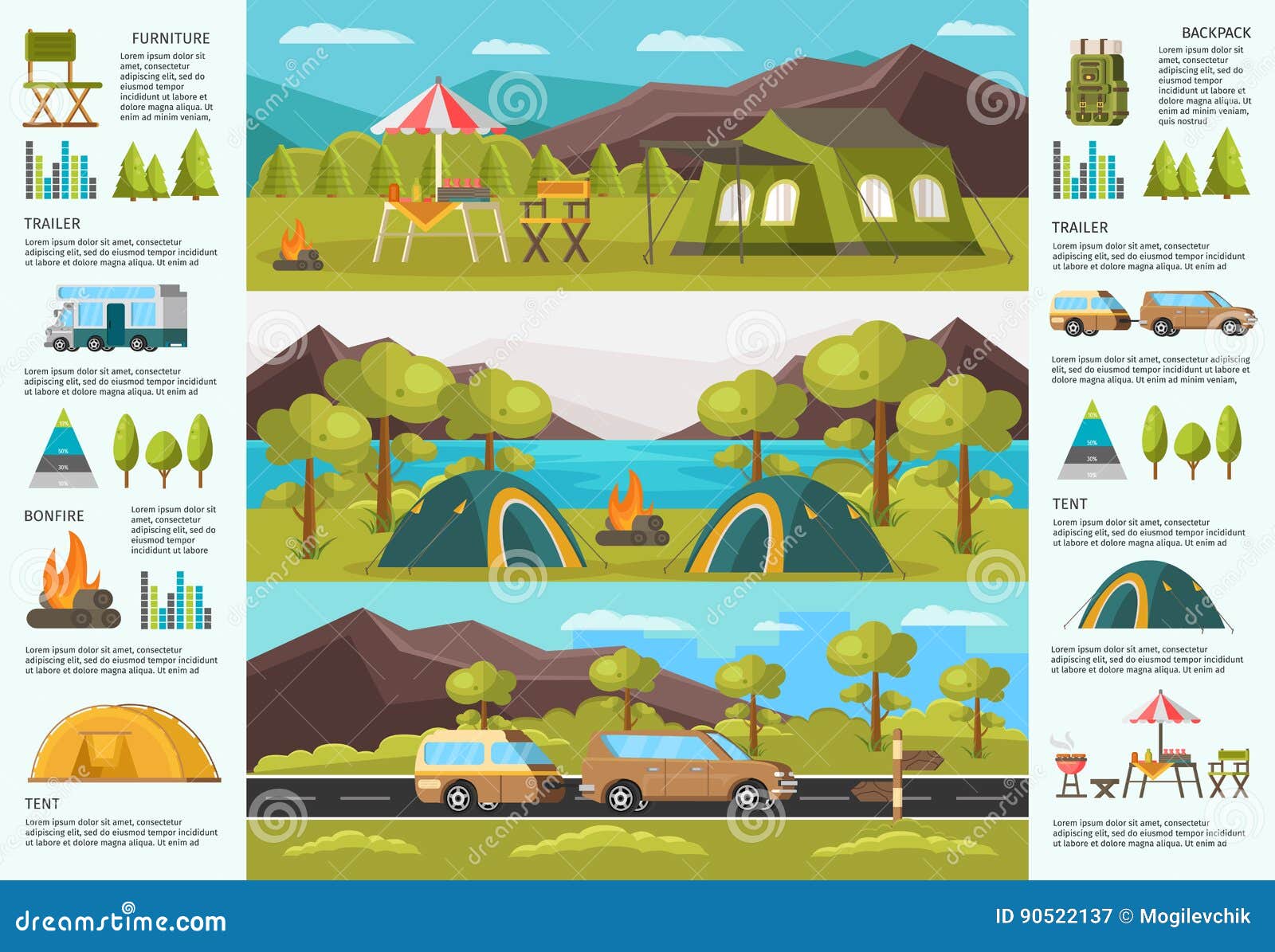
Nomadic housing covers a wide variety of structures: converted vans and buses, tiny homes on wheels, yurts, modular vessels, and even watercrafts. What unites them is mobility and an intentionally small impact. Rather than a dealt with story of land and a house constructed to last fifty years, nomadic residents buy something that can be moved, disassembled, or repurposed as conditions alter. For some, this is a feedback to increasing rents and stationary earnings. For others, it is a conscious denial of consumer buildup in favor of experiences and flexibility of movement.
The charm is not totally thoughtful. A little home on wheels can cost a portion of a traditional house, and living in a smaller sized space normally curbs the impulse to load it with things. Less room implies much less to warm, less to clean, and much less to buy.
Why This Motion Overlaps With Sustainability
Nomadic housing and environment-friendly living tend to take a trip together, and the link is not a coincidence. Small houses require less product to build and much less power to maintain. A 200-square-foot home just does not require the same heating or cooling lots as a 2,000-square-foot one. Many nomadic building contractors also select redeemed wood, recycled metal, and used fixtures, both to conserve cash and to reduce the demand for freshly made materials.
Off-grid ability is another all-natural fit. Due to the fact that nomadic homes are not connected to municipal power grids, their proprietors frequently turn to photovoltaic panels, composting commodes, and rain collection systems out of necessity as high as ideological background. What starts as a functional solution to living without hookups winds up operating as a genuinely lower-impact lifestyle.
The Environmental Instance, Examined Honestly
It would be simple to romanticize this way of life as an automatic ecological win, yet the picture is more nuanced. Constant traveling, especially by fuel-powered automobiles, carries its own carbon price, and developing a well-insulated tiny home still requires power and materials. The environmental benefit of nomadic real estate comes much less from the act of relocating and much more from the underlying routines it motivates: smaller living spaces, careful resource usage, and a reluctance to accumulate disposable items.
In that feeling, a household living permanent in a moderate, solar-powered small home that rarely transfers may have a lighter footprint than a person who relocates regularly in a huge diesel motorhome. The movement is a feature of glampung tents the way of life, not the source of its sustainability.
Practical Tests Worth Knowing About
Anybody attracted to this way of living need to share open eyes. Zoning regulations in lots of locations were not created with mobile or small residences in mind, and auto parking or land gain access to can be a consistent frustration. Financing is another obstacle, since lots of lending institutions do not deal with a residence on wheels similarly they deal with a conventional home loan. Water, waste, and power management additionally demand more hands-on interest than merely paying a monthly energy costs. None of these obstacles are overwhelming, but they call for research study and, frequently, an area of knowledgeable nomads willing to share what they have actually discovered.
A Growing Community and Facilities
As even more people embrace this lifestyle, the support group around it are catching up. Online areas trade advice on everything from composting toilet upkeep to finding legal overnight vehicle parking. Some districts are starting to update codes to accommodate small homes and van living. Off-grid solar kits, portable water purification systems, and compact home appliances have ended up being a lot more economical and extra reliable, making the practical side of nomadic living significantly much easier than it was a years earlier.
Reassessing What a Home Demands to Be
Nomadic real estate asks a simple but pointed concern: just how much area, and how much things, does a good life really need? For an expanding number of people, the truthful response is much less than standard real estate presumes. Combined with calculated choices around energy, water, and products, by doing this of living deals an engaging, if incomplete, version for lowering ecological effect while getting a type of flexibility that a thirty-year home loan seldom offers. It will not replace typical real estate for most people, however as a working example of what smaller sized, extra intentional living can resemble, it has actually currently verified its worth.